
Shoulder Surgery in Wollongong
Dr Ferguson provides personalised shoulder orthopaedic care in Wollongong, with a focus on restoring comfort, strength and shoulder function through the most appropriate treatment.
Patients from across the Illawarra and South Coast are welcome.
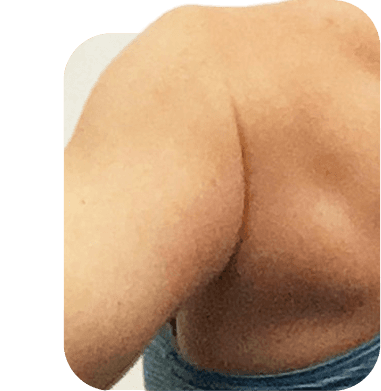
Dr Ferguson provides comprehensive treatment for a wide range of shoulder conditions.
Dr Ferguson provides comprehensive assessment and treatment for shoulder conditions affecting the rotator cuff, joint surfaces, stabilising structures and surrounding soft tissues.
Conditions Dr Ferguson Treats
Shoulder Treatments
Non-Surgical Management
Where appropriate, treatment may include:
- Activity modification
- Anti-inflammatory medication (where suitable)
- Corticosteroid injections
- Physiotherapy
- Strengthening and mobility programmes
- Structured return-to-activity planning
Many shoulder conditions improve without surgery when treated appropriately.
Shoulder Surgery
When surgery is recommended, the procedure, expected benefits, risks, alternatives and recovery will be discussed in detail.
- Shoulder arthroscopy
- Rotator cuff repair
- Instability stabilisation
- AC joint reconstruction
- Fracture fixation
- Biceps tenodesis or tenotomy
- Capsular release
- Joint replacement in selected cases
Not every patient with these conditions will require surgery.
What to Expect
Consultation
Your appointment begins with a discussion about your symptoms, medical history, daily activities, and goals. Dr Ferguson will examine your shoulder and may review any previous imaging or arrange additional tests if needed.
Diagnosis
A clear diagnosis is the first step toward effective treatment. Dr Ferguson will explain your condition, its cause, and the best treatment options.
Personalized Treatment
Your treatment plan is tailored to your needs, with non-surgical options considered whenever appropriate before surgery.
Surgery
If surgery is recommended, Dr Ferguson will explain the procedure, expected outcomes, risks, and recovery so you can make an informed decision.
Recovery
Follow-up care and rehabilitation help restore strength, movement, and function, supporting your return to everyday activities.
When Should You See a Shoulder Specialist?
You should seek assessment if you experience:
- Persistent shoulder pain
- Weakness when lifting or reaching
- Shoulder stiffness that is not improving
- Recurrent shoulder dislocations or instability
- Pain after a fall or sporting injury
- Night pain affecting sleep
- Difficulty returning to work or sport
- Ongoing symptoms despite rest and simple treatment