
Orthopaedic Trauma Care in Wollongong
Dr Ferguson provides personalised trauma care in Wollongong, with a focus on stabilising injury, protecting function and guiding recovery through the most appropriate treatment.
Patients from across the Illawarra and South Coast are welcome.
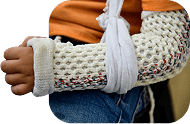
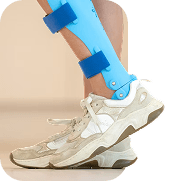
Dr Ferguson provides comprehensive orthopaedic trauma care.
Dr Ferguson treats acute fractures, dislocations and complex injuries affecting bones, joints and soft tissues across the upper extremity and broader musculoskeletal system.
Conditions Dr Ferguson Treats
Trauma Treatments
Non-Surgical Management
Where appropriate, treatment may include:
- Splinting or casting
- Reduction of dislocations
- Wound care and dressing
- Pain management
- Hand therapy or physiotherapy
- Graduated return-to-activity planning
Not all traumatic injuries require surgery, but timely assessment remains important.
Trauma Surgery
When surgery is recommended, the procedure, expected benefits, risks, alternatives and recovery will be discussed in detail.
- Fracture fixation with plates, screws or pins
- Dislocation stabilisation
- Tendon and ligament repair
- Nerve repair or exploration
- Debridement and wound management
- External fixation in selected cases
- Corrective or reconstructive surgery for post-traumatic problems
Surgical decisions depend on injury type, soft tissue condition, alignment and functional goals.
What to Expect
Consultation
Your appointment begins with a discussion about the injury, your symptoms, medical history, and goals. Dr Ferguson will examine the affected limb and may review any previous imaging or arrange additional tests if needed.
Diagnosis
A clear diagnosis is the first step toward effective treatment. Dr Ferguson will explain your condition, its cause, and the best treatment options.
Personalized Treatment
Your treatment plan is tailored to your needs, with non-surgical options considered whenever appropriate before surgery.
Surgery
If surgery is recommended, Dr Ferguson will explain the procedure, expected outcomes, risks, and recovery so you can make an informed decision.
Recovery
Follow-up care and rehabilitation help restore strength, movement, and function, supporting your return to everyday activities.
When Should You Seek Orthopaedic Trauma Assessment?
You should seek urgent or specialist assessment if you have:
- A suspected fracture or dislocation
- An open wound with suspected bone injury
- Severe pain, swelling or deformity after trauma
- Loss of movement, sensation or circulation
- A hand or upper limb injury that is not improving
- Numbness or weakness after injury
- An injury preventing work, sport or daily activities
- Ongoing problems following previous trauma